




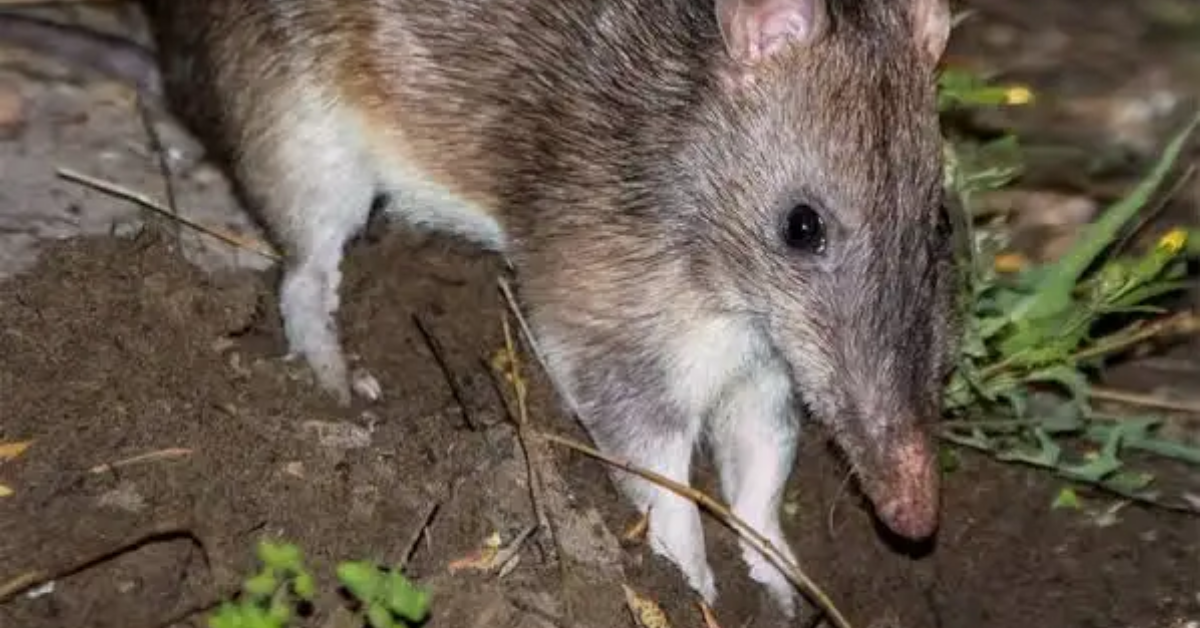
A tiny baby bandicoot no larger than a jelly bean starts its journey in North Narrabeen just as ancient ecological shifts signal a change in the local landscape.
A mother foraging alongside her offspring in North Narrabeen offers a welcome sign that winter’s grip is finally loosening across the northern peninsula. Traditional D’harawal custodians mark this turning point as Wiritjiribin, a lively month of cold winds, booming lyrebird calls, and the sudden, brilliant burst of golden wattle blossoms. Soon enough, the calendar rolls into Ngoonungi, transforming evening skies above Sydney with swirling colonies of flying foxes and the deep crimson flash of wild waratahs.
Beneath this seasonal canopy, a quiet underground economy thrives thanks to the region’s resident long-nosed bandicoots. Armed with powerful front claws and an acute sense of smell, these nocturnal diggers constantly patrol suburban lawns and bushland edges. Every distinctive cone-shaped hole left in the dirt represents vital soil aeration and natural pest control, as these small marsupials devour destructive beetle grubs and fungi that would otherwise choke local root systems.
How does a species bounce back when its gestation period lasts a mere twelve days? Born completely blind and smaller than a confectionary sweet, newborns immediately migrate to the maternal pouch to feed on rich milk. Within nine weeks, these youngsters step out into the undergrowth to fend for themselves, though the harsh realities of the wild mean most will only see two to four summers.
Despite thriving better than many of their mammalian cousins, these coastal survivors face heavy pressure from domestic pets and introduced foxes prowling Sydney’s urban fringe. Pittwater remains a precious ecological ark, prompting ongoing government baiting programs and volunteer-led population surveys to protect fragile remaining pockets.
Have you ever wondered why people blame bandicoots for tick outbreaks? Ironically, these creatures meticulously groom themselves with specialized combs on their feet, restricting their movements to tiny half-hectare territories and leaving the wide-scale spreading of parasites to highly mobile cats and dogs.
Published Date 05-August-2026