




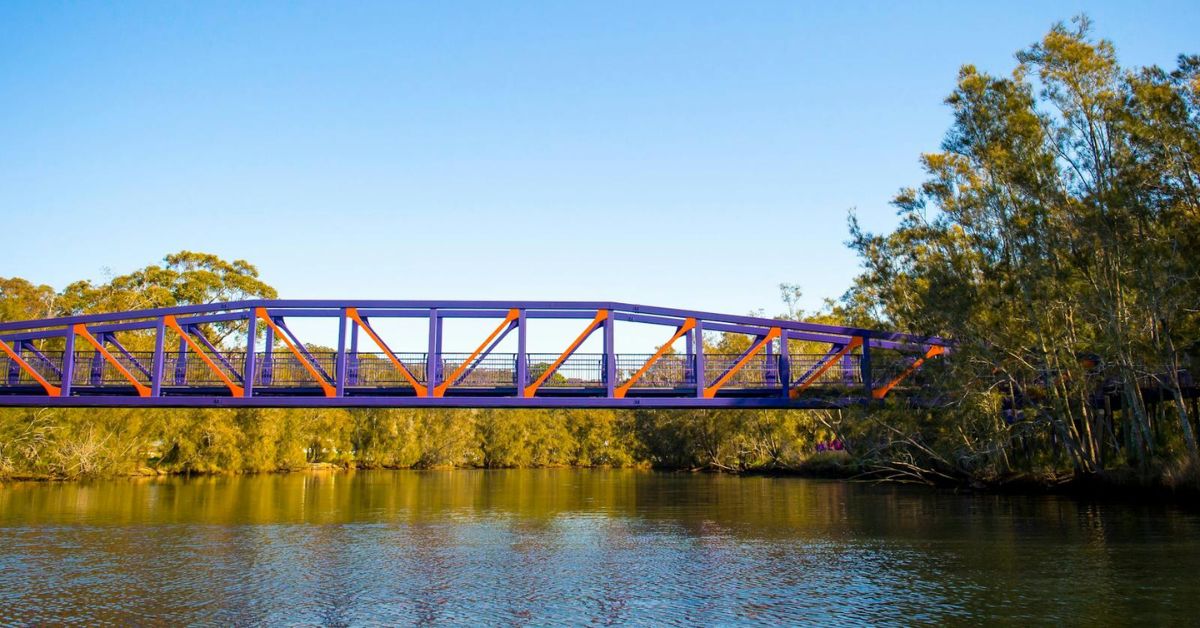
Ross River virus has been detected in mosquitoes trapped at Narrabeen Lagoon, with health authorities issuing a community alert on 24 April urging residents across North Narrabeen and surrounding suburbs to take extra precautions when spending time outdoors near wetland areas.
The detection was made through the ongoing mosquito monitoring programme, which traps and tests mosquitoes at key wetland locations across the local government area in partnership with NSW Health. Current monitoring traps are active at Warriewood Wetlands and at Deep Creek, near the Narrabeen Lagoon walking trail, both areas popular with walkers, cyclists and families throughout the warmer months.
This is not the first time the virus has been detected along the Narrabeen system. In late March and early April 2020, Ross River virus was confirmed in mosquitoes at both Deep Creek and the Warriewood Wetlands. The lagoon’s combination of saltmarsh, mangroves and freshwater habitat creates the kind of productive breeding environment that can sustain significant mosquito populations, particularly after rainfall followed by warm days.
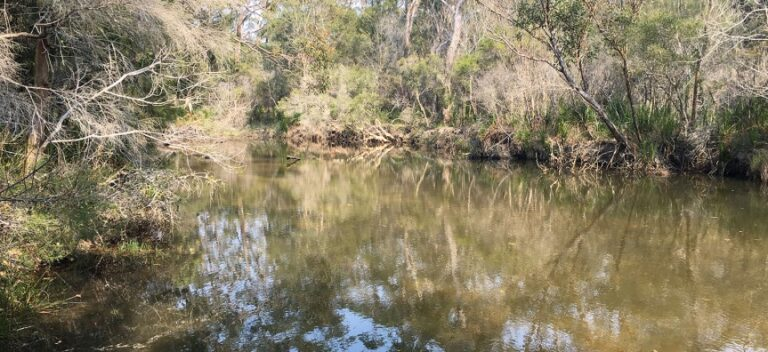
It is not just Ross River doing the rounds, either. Recent testing also picked up Stratford virus in the local mosquito population. While it is less of a household name, it triggers nearly identical symptoms like nasty joint aches and fatigue, reinforcing why local health authorities aren’t taking any chances this season.
The Virus and Its Symptoms
Ross River virus is the most commonly reported mosquito-borne disease in Australia, spread through the bite of an infected mosquito. There is no vaccine. There is also no cure, and once contracted, the illness can be severely debilitating even though it is not fatal.
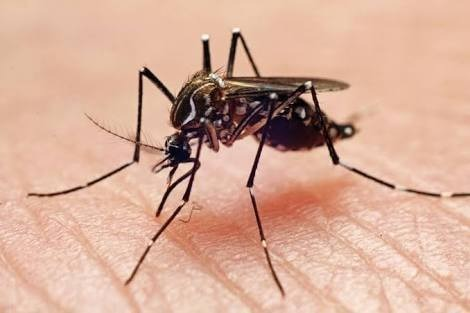
While there is not a silver bullet to cure the virus, GPs focus on managing the fallout. Treatment generally centres on keeping pain and inflammation under control with anti-inflammatories and plenty of rest while the body clears the infection.
Symptoms typically develop between seven and ten days after a bite. They can include fever, chills, headaches, fatigue and muscle and joint pain, with joint swelling and stiffness that is often worst in the morning. Some people also develop a rash on the body, arms or legs. Many people experience mild symptoms or none at all, but for others the fatigue and joint pain can persist for months.
Dr Cameron Webb, a leading mosquito researcher at the University of Sydney and one of Australia’s foremost experts on mosquito-borne disease, notes that about 40 different mosquito species have been implicated in transmitting the virus, with Australia’s saltmarsh mosquito, Aedes vigilax, capable of flying many kilometres from urban estuarine wetlands. This means the risk extends well beyond the immediate edge of the lagoon and its walking trails.
“As we open up coastal areas to urban development, people are living closer to wetlands than they were before,” Webb says. “People moving to areas like this from elsewhere are not always fully understanding the health risks of mosquitoes or taking appropriate measures to avoid being bitten.”
Practical Steps to Reduce Your Risk
There are straightforward steps North Narrabeen residents can take immediately. The most important are avoiding outdoor activity at dawn and dusk when mosquitoes are most active, covering up with long, loose-fitting clothing, and applying an insect repellent containing DEET, picaridin or oil of lemon eucalyptus to all exposed skin. A thin, even coat is important: applying repellent in dabs does not provide adequate protection.

Around the home, remove any standing water from containers, bird baths, pot plant trays and children’s toys, where mosquitoes breed readily. If you leave water out for wildlife, change it regularly to prevent stagnation. Check flyscreens and repair any damaged screens to avoid being bitten indoors overnight.
Anyone experiencing symptoms consistent with Ross River virus infection after spending time near wetland areas should see their GP. For more information, visit the NSW Health Ross River Fever fact sheet.
Published 29-April-2026
Featured Image Credit: sydney.com